Illinois Statewide Zoning Laws: Governor Pritzker Plans to Grow Multi-Unit Housing
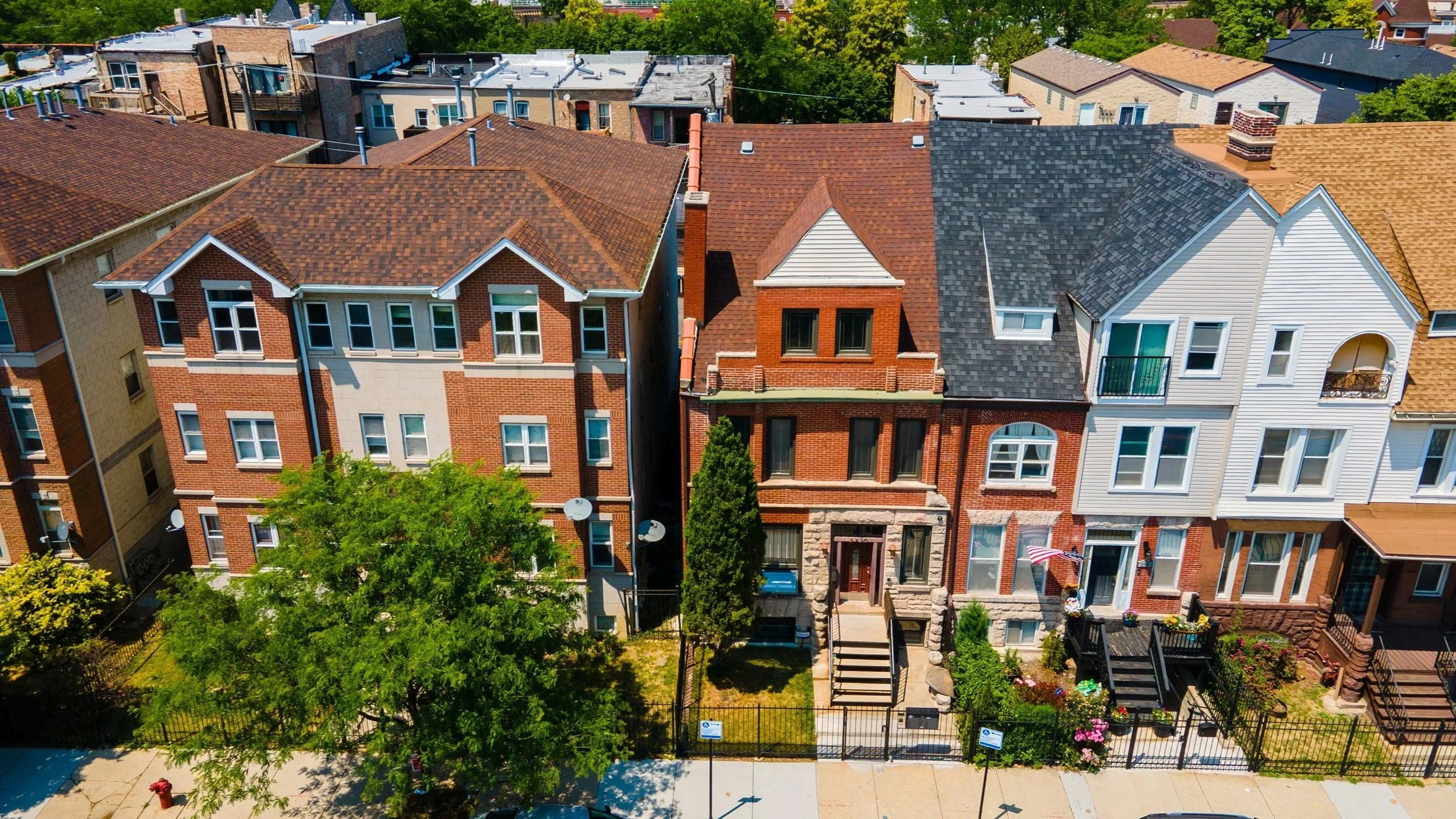
The Illinois statewide zoning laws are undergoing the most significant transformation in decades as Governor JB Pritzker advances his Building Up Illinois Developments (BUILD) initiative. The proposal responds to a housing shortage that has become impossible to ignore: Illinois is roughly 142,000 housing units short, home prices have risen 37% over the past five years, and active listings have fallen 64%.
Meanwhile, new construction permits are down 13%, and the state is building at roughly half the pace needed to meet current demand. BUILD represents a direct attempt to reverse that trajectory by removing the local zoning barriers that have long made it difficult and expensive to develop housing across Illinois.
How Illinois Statewide Zoning Laws Are Changing Under BUILD
The core of Pritzker's proposal is a legislative package that would establish statewide zoning standards, significantly limiting local governments' authority to restrict housing types on residentially zoned land. Under the proposed framework, municipalities would no longer be permitted to prohibit multi-unit housing on residential lots exceeding 2,500 square feet.
The plan operates on a tiered scale. Lots between 2,500 and 5,000 square feet could accommodate up to four units; those between 5,000 and 7,500 square feet up to six units; and lots over 7,500 square feet up to eight units. This directly targets what planners call the "missing middle" — duplexes, triplexes, townhomes, courtyard buildings, and other multi-family housing types that fall between single-family homes and large apartment complexes.
Accessory dwelling units would also be legalized statewide on all residentially zoned properties. Granny flats, backyard cottages, and above-garage apartments would become a legal option for property owners across Illinois, building on Chicago's move last year to ease its longstanding ban on such structures.
The plan also addresses permitting delays, establishing statewide timelines for inspections and permit reviews. If a municipality misses its deadline, applicants could engage a qualified third-party firm to complete the review. Impact fees would be standardized, minimum parking requirements would be eliminated for middle housing, and building codes would be modernized statewide.
$250 Million to Support Housing Development
Zoning reform alone cannot close a 142,000-unit gap, which is why BUILD pairs its legislative package with $250 million in targeted capital investment.
The Illinois Department of Commerce and Economic Opportunity would administer $100 million in infrastructure grants to cover site-preparation costs that often prevent viable housing projects from breaking ground. Sewer lines, stormwater systems, utility connections, and site access improvements are often difficult for developers to finance on their own, and this funding is designed to remove those upfront barriers. Officials estimate the program could unlock approximately 100 sites and produce between 2,000 and 4,000 new homes statewide.
The Illinois Housing Development Authority would administer another $100 million for middle housing development, available to both private developers and nonprofit affordable housing organizations. This funding targets the rental housing and starter home inventory that working families need most.
The remaining $50 million would be directed toward two existing homebuyer assistance programs. The Opening Doors program provides $6,000 loans for down payment and closing costs to buyers who have historically faced barriers to homeownership. The SmartBuy program helps buyers carrying student loan debt clear the financial hurdle of purchasing a home. Together, these programs have served more than 13,000 Illinois homebuyers since 2020.
Illinois Statewide Zoning Laws and What They Mean for Real Estate Transactions
For real estate professionals, the practical implications of updated Illinois statewide zoning laws are worth understanding now, before the legislation is finalized.
An increased housing supply in the missing-middle category means more transaction volume. New inventory in the form of duplexes, triplexes, ADUs, and infill developments creates fresh opportunities for buyers, investors, and the agents who serve them. Professionals who understand multifamily product and can counsel clients on the distinctions between owner-occupied and investment-grade purchases will be well-positioned as this shift takes shape.
Streamlined permitting and standardized impact fees should also reduce the unpredictability that has historically complicated closing timelines on new construction. Consistent statewide rules replace a fragmented system of municipal requirements, giving developers and buyers more clarity from contract to close.
From a title perspective, any expansion of multi-family housing and ADU development introduces additional complexity. Boundary questions, easement issues, lien clearance for redeveloped parcels, and ownership history for infill sites all become increasingly common considerations as Illinois' housing stock evolves. Partnering with a title company experienced in both residential and commercial real estate in Illinois is essential as the market enters this new phase.
BUILD still requires legislative approval, and specific provisions remain subject to negotiation with the General Assembly. The direction, however, is clear. For questions about title insurance and escrow services throughout Chicagoland, contact the team at Plymouth Title Guaranty Corporation.